The forecast says frost by the weekend, and your tomato plants are still hung with hard green fruit. It happens every autumn, even in a good year. The good news is that most of those tomatoes will ripen perfectly well indoors, given the right conditions and a little patience. What follows is the method that works reliably in a British autumn: pick before the cold bites, sort carefully, and store the fruit in trays or paper in a cool, dark spot.
Pick Before the Frost, Not After
Timing matters more than anything else. A tomato that has been touched by frost will turn soft and watery within a day or two, and it will not ripen properly afterwards. So watch the forecast from late September onwards and bring the crop in ahead of the first cold night.
How you pick depends on what you are dealing with. If only a light frost is forecast, pick the fruit that is already full-sized and starting to pale or blush, and leave the rest on the plant for another week if the weather holds. If a hard frost is coming, strip the lot, including any fruit that is still small and hard.
There is a useful halfway house for outdoor plants: lift the entire vine, shake off the soil, and hang it upside down somewhere cool and dry, such as a shed or garage. Fruit left on the vine continues to draw on the plant for a while, and many gardeners find it ripens more evenly than fruit picked individually. Indoors, in a cool porch or utility room, the same trick works.
Sort the Crop Before You Store It
Tip everything onto a table and sort it honestly. This is the step most people skip, and it is the one that decides whether you get a slow, steady supply of ripe tomatoes or a tray of mould within a fortnight.
- Discard any fruit with splits, brown patches, soft spots or signs of blight. These will rot and take their neighbours with them.
- Set aside firm, unblemished green tomatoes for ripening. Size does not matter much, but undamaged skin does.
- Keep the blushing ones separate. Fruit that is already turning will finish within days and should not be buried under a pile of hard green ones.
- Use up any tiny, hard fruit straight away in chutney or pickle rather than expecting it to ripen.
Handle the fruit gently as you go. A bruised tomato is a rotting tomato, and one bad one can undo a whole tray.
The Tray and Paper Method
This is the classic approach: a single layer of tomatoes, a sheet of paper, a cool dark place, and a little patience.
- Line a shallow tray, cardboard box or drawer with newspaper or brown paper. A single sheet is enough; the paper absorbs slight moisture and stops fruit sitting in a damp patch.
- Lay the tomatoes out in a single layer, stalk end down where possible, with a little space between each one. Do not stack them.
- Cover loosely with another sheet of newspaper. This keeps the light off and holds a little of the ethylene gas the fruit gives off, which encourages ripening.
- Put the tray somewhere cool, dark and well ventilated. A spare-room cupboard, a cool pantry or a garage that does not freeze will all do.
- Check every two or three days. Remove any fruit that has ripened, softened or started to spoil.
As each tomato colours up, move it to the kitchen. Ripening happens gradually from the bottom upwards, so a tomato can look ripe at the base and still be pale around the stalk; give those another day.
Why a Cool, Dark Spot Works
Tomatoes continue to ripen after picking because they produce ethylene, a natural plant gas. Warmth speeds the process up, but it also speeds up softening and rot. A cool spot somewhere around 12–18°C strikes the right balance: slow enough that the fruit ripens evenly, quick enough that you are not waiting until Christmas. Anything much above room temperature produces mushy, flavourless tomatoes; a fridge is worse still, as cold damages the texture and dulls the taste.
Darkness helps for a similar reason. Light is not needed for ripening, and a dark spot keeps the fruit from drying out and discourages anyone from prodding it every five minutes.
Small tweaks worth trying
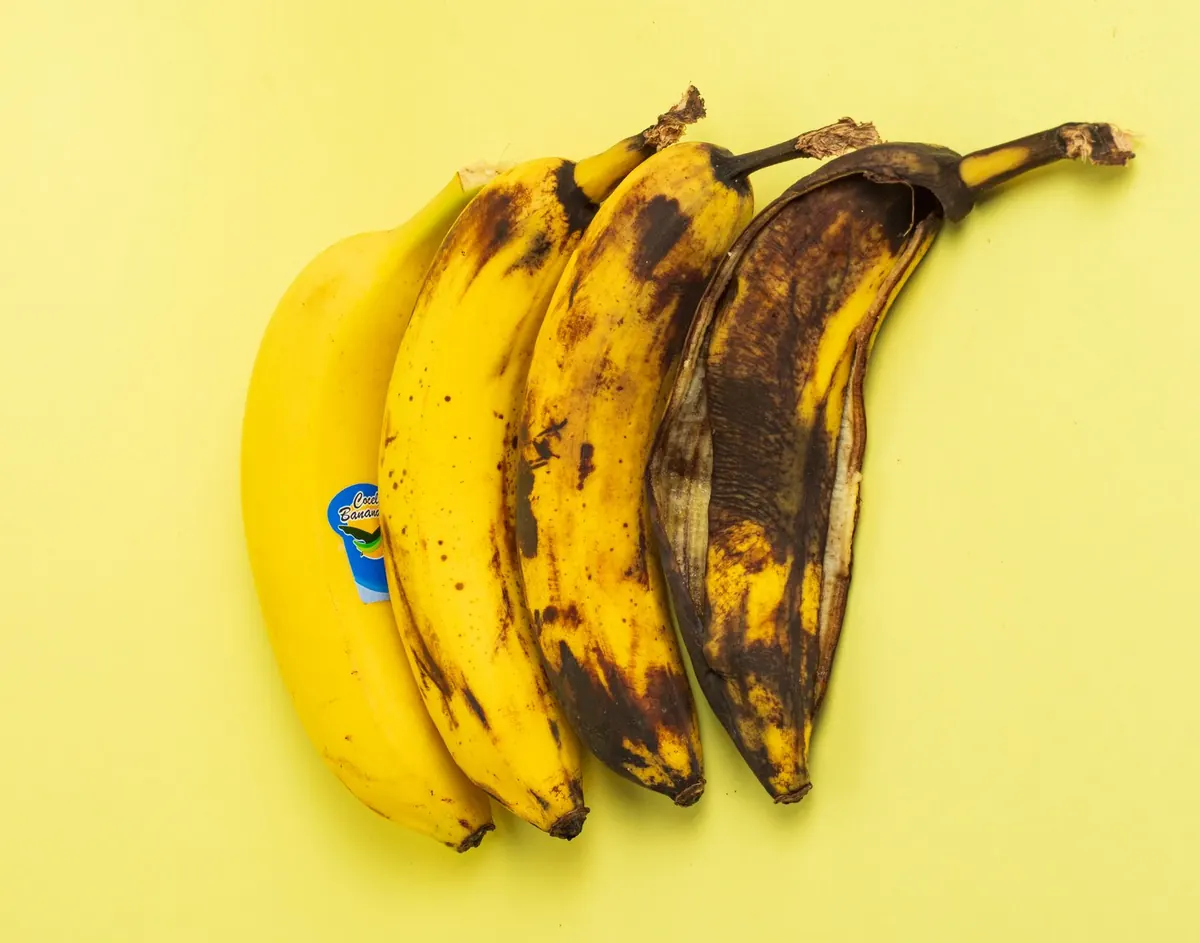
- Speed things up by adding one ripe banana or apple to the tray, then covering it again. Both release ethylene and can shave days off the process. Check daily, as it works faster than you expect.
- Slow things down by spreading the fruit out more thinly or moving the tray somewhere slightly cooler if you have more tomatoes than you can eat.
- Wrap individually in newspaper if you are short of space, or use a paper bag for a handful of fruit.
If you use a paper bag, do not seal it tightly; a little airflow keeps mould at bay. And once a tomato is fully coloured, eat it within a few days, or move it to the fridge if you need to hold it a little longer.
What to Expect, and What to Do When a Tomato Won't Ripen
Ripening times vary enormously with the variety and how mature the fruit was when picked. Small cherry types may colour up in a week or two, while big beefsteaks and late-season varieties can take five or six weeks. The fruit will soften slightly and deepen in colour, though it rarely tastes quite as sweet as a tomato ripened on the vine in August sun. Expect a milder, gentler flavour that is still far better than anything flown in from a supermarket shelf.
Some green tomatoes will never turn. They stay hard and green however long you wait, and that is not a failure on your part. Put those to work instead: green tomato chutney, piccalilli, a spiced pickle, or thick slices fried in a little oil with salt and pepper. Green tomatoes carry acidity and structure that ripe ones lose, which is exactly why they work so well in preserves.
A sensible note: unripe green tomatoes contain solanine, so cook them rather than eating them raw in quantity, and skip them if you have any concerns about your digestion. If in doubt, ask a GP or pharmacist.
A Short Checklist for the Week Ahead
Before the frost arrives, bring the crop in, sort it on the kitchen table, and get the good fruit into a lined tray in a single layer. Cover it with paper, put it somewhere cool and dark, and check every few days. Add a banana if you want to hurry things along. Remove anything that ripens or spoils. Then cook, freeze or pickle whatever refuses to turn, and enjoy the steady supply of indoor-ripened tomatoes that carries you into November.
Photo: Nadin Sh / Pexels