Buy a bag of avocados on a Tuesday and you have a decision to make by Thursday. Leave a punnet of raspberries on the worktop and they will quietly collapse before the weekend. Fruit does not ripen to a schedule set by the supermarket, and the difference between a peach that tastes like a peach and one that tastes of very little is usually about where you kept it and for how long.
What follows is a working chart: rough ripening times for the fruits that turn up most often in UK kitchens, both on the counter and in the fridge. Treat the numbers as ranges rather than rules. A warm kitchen in July runs faster than a cold one in February, and a single ripe banana in the bowl can take a full day off everything sitting next to it.
The Quick Reference Chart
Two definitions before the numbers. Room temperature means a normal worktop — somewhere around 18–21°C — out of direct sun and away from the radiator. Fridge means the main body of the fridge or the salad drawer, not the door, where the temperature swings every time you reach for the milk.
Fruits that ripen at room temperature
- Avocado — 2–5 days from rock hard to ready. Once ripe, 2–3 days in the fridge.
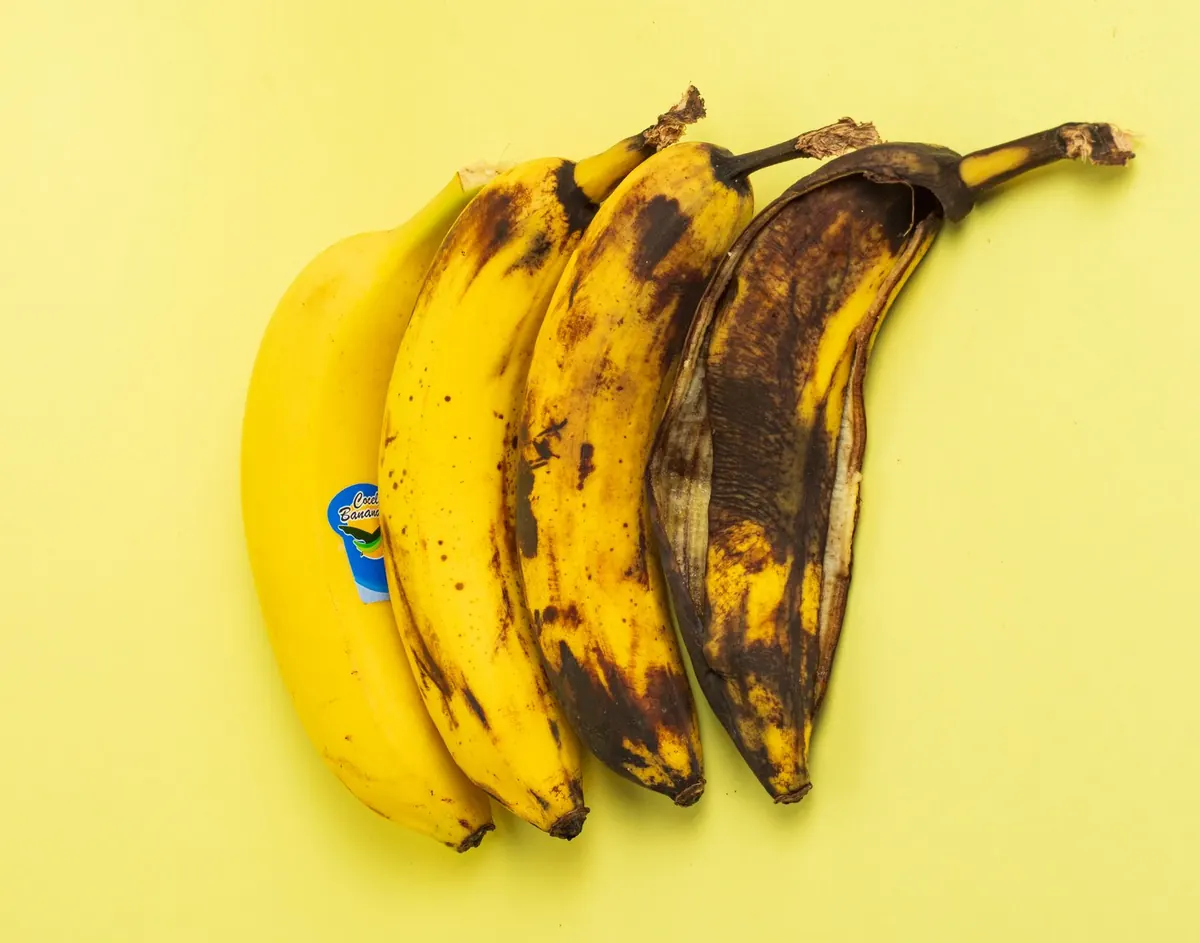
- Banana — 2–5 days from green to speckled. In the fridge the skin will blacken, but the flesh keeps for around a week.
- Mango — 3–7 days at room temperature; ripe fruit holds 3–5 days in the fridge.
- Peach and nectarine — 2–4 days; 3–5 days in the fridge once soft.
- Pear — 3–7 days. Press gently at the neck near the stem rather than the middle. Ripe pears keep about five days in the fridge.
- Plum — 2–5 days; up to a week in the fridge.
- Kiwi — 3–7 days; ripe fruit keeps one to two weeks in the fridge.
- Apricot — 2–4 days; 3–5 days in the fridge.
- Fig — 1–2 days; 2–3 days in the fridge.
- Tomato — 3–7 days on the counter. Do not refrigerate: cold dulls the flavour and turns the texture mealy.
Once any of these is properly ripe, move it to the fridge. Cold pauses ripening; it does not undo it. It will also buy you a few extra days, which matters most for avocados, peaches and figs, where the window between perfect and past it can be measured in hours.
Fruits that are already as ripe as they will get
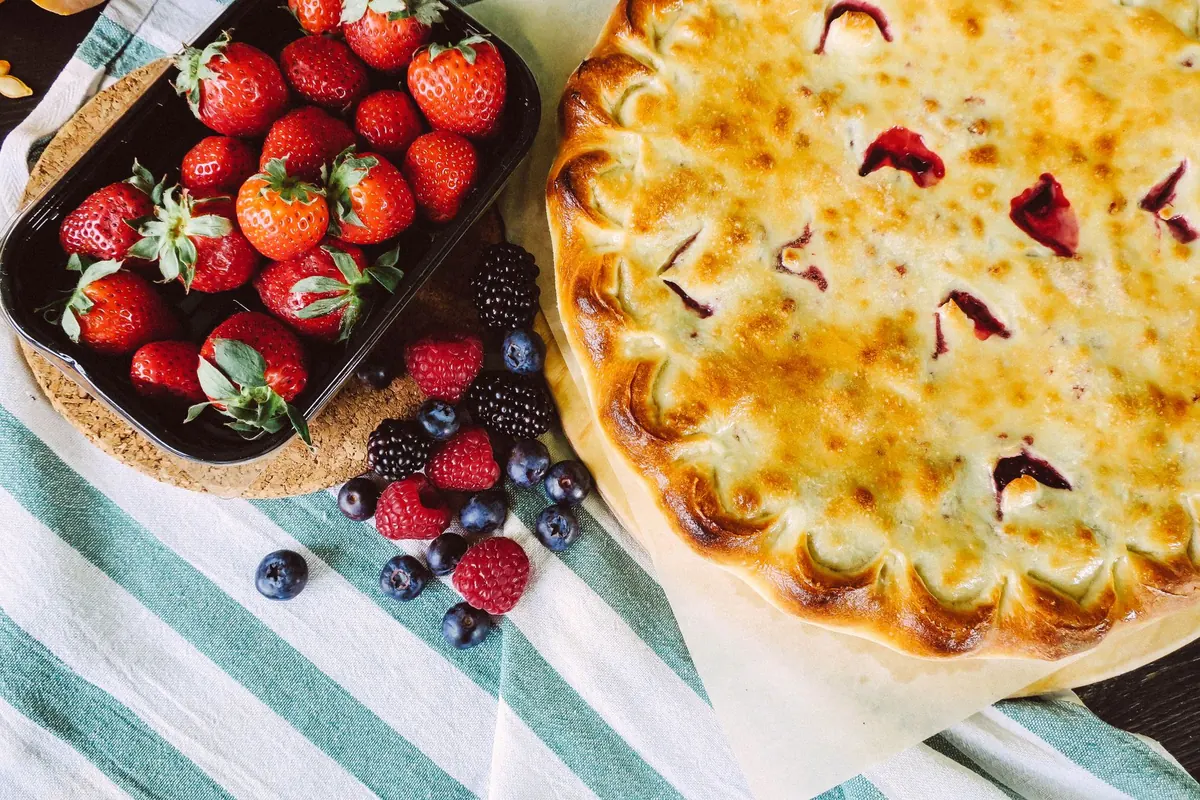
- Strawberries — 3–5 days in the fridge.
- Raspberries — 2–3 days in the fridge. Check the punnet for mould daily and remove any offenders.
- Blueberries — one to two weeks in the fridge.
- Cherries — 3–7 days in the fridge.
- Grapes — one to two weeks in the fridge.
- Pineapple — softens only slightly after picking; 2–3 days on the counter, and 3–4 days in the fridge once cut.
- Melon — whole, 3–5 days at room temperature to soften and scent up; cut, 3–4 days in the fridge.
These are picked ripe, so keep them cold from the moment they arrive home and eat them in the order they were picked — the softest first. A berry that is already deep red or purple will not improve on the counter; it will only attract fruit flies. If you cannot eat them in time, freeze them in a single layer on a tray, then tip into a bag.
The long keepers
- Apples — a week or so on the counter, four to six weeks in the fridge. They carry on softening and sweetening very slowly, and they release ethylene, so keep them away from anything you are trying to hold back.
- Citrus — oranges, lemons, limes and satsumas hold for roughly a week at room temperature and two to four weeks in the fridge.
Apples and citrus are the steady performers of the fruit bowl. They do not transform overnight, but they do change slowly, and apples in particular will influence everything around them. If you are trying to keep a hard avocado from ripening too fast, do not park it next to the apple bowl. If you want to ripen it quickly, do exactly that.
What "Room Temperature" Actually Means
A British kitchen in January and a British kitchen in a heatwave are two different ripening environments. The same avocado that takes five days in a cold flat in March can be ready in two days in a south-facing kitchen in August. The difference is not just air temperature, either: humidity, air movement and how crowded the fruit bowl is all play a part.
Look for the warm and cool microclimates in your home. The top of the fridge is often a few degrees warmer than the worktop. A windowsill in direct sun can be much warmer still, but it can also cook the fruit and make it rot on one side. A north-facing pantry or a cool utility room will slow everything down. If you buy a lot of fruit and want to be precise, a cheap fridge thermometer or room thermometer takes the guesswork out of it.
Air circulation matters too. A deep, tightly packed bowl traps moisture and ethylene, so the fruit at the bottom ripens unevenly and mould spreads faster. A single layer in a shallow bowl, or a few separate bowls, is better. If you have a fruit fly problem, a small bowl of cider vinegar with a drop of washing-up liquid will catch them without affecting the fruit.
How to Speed Up or Slow Down Ripening
The main tool here is ethylene, a natural plant hormone that many fruits release as they ripen. It is invisible and odourless to us, but it is the reason a ripe banana can turn a hard avocado soft and a green tomato red. Some fruits are climacteric, meaning they continue to ripen after picking: apples, bananas, avocados, mangoes, pears, peaches, plums, kiwis and tomatoes. Others are non-climacteric, meaning they are as good as they will get when harvested: berries, cherries, grapes, citrus and pineapple. A hard strawberry will never become a sweet one; it will simply go soft and then mouldy.
To speed things up, put the fruit in a paper bag with a ripe banana or apple. The bag traps ethylene while still allowing a little air exchange. Do not use a sealed plastic bag unless you want condensation and rot. Check the fruit daily, because the process can accelerate quickly once it starts. A hard avocado in a paper bag with a banana can be ready in 24 to 48 hours.
To slow things down, refrigerate ripe fruit, separate it from ethylene producers and keep it ventilated. Bananas are a special case: in the fridge the skin will turn black, but the flesh stays firm and sweet for about a week. This is useful if you want to stop a bunch ripening all at once. Tomatoes, however, should stay out of the fridge. Cold damages their texture and dulls their flavour, and no amount of counter time afterwards will bring it back.
If in doubt, remember the two rules of the fruit bowl: ripe fruit goes cold, unripe fruit stays out, and the banana is always in charge.
When Fruit Rushes Ahead
Even with the best intentions, fruit arrives at the same moment. A glut of soft fruit is not a failure; it is a prompt to cook, freeze or preserve. Overripe bananas are ideal for banana bread, smoothies or a quick nice cream. Soft berries can be simmered with a little sugar and lemon for a compote that keeps for a week in the fridge, or frozen for later. Peaches and nectarines that are too soft to eat raw will bake beautifully in a crumble or upside-down cake. Pears can become chutney, and citrus can be zested and juiced into curd, dressings or a big jug of water.
If you only have a few minutes, spread the fruit on a tray and freeze it. Once frozen, transfer to a bag or tub. Frozen berries are perfect for smoothies, and frozen sliced banana makes a thick, soft-serve-style dessert on its own. This is also the best way to deal with a punnet that is one day past its best but not yet mouldy.
A Few UK-Specific Notes
Most fruit in UK supermarkets has travelled. Bananas come from the Caribbean, Central America or West Africa; avocados from Peru, Chile or Spain; stone fruit from Spain, Italy or South Africa depending on the season. It is often picked underripe so it can survive the journey, which is why the counter is not optional. British seasonal fruit — strawberries and raspberries in early summer, cherries in July, plums in late summer, apples and pears in autumn — is more likely to be picked closer to ripe, so its window is shorter. Enjoy it quickly rather than trying to make it last a month.
Use your senses rather than the calendar alone. A ripe peach smells sweet at the stem end and gives slightly when you cradle it in your palm. A ripe avocado yields to gentle pressure near the top but not all over. A ripe melon feels heavy and smells fragrant at the base. Colour is a clue, not a verdict. The chart above is a starting point; your kitchen, your fridge and your fruit will have the final say.
Photo: Lukas Blazek / Pexels