A rock-hard avocado is a particular kind of disappointment. You buy three, hoping at least one will be ready, and every one of them feels like a pebble. Paper bags are the classic trick, but they are also the thing that is never in the drawer when you need it. The useful bit is that the bag was never doing anything clever. It simply trapped the ethylene gas an avocado gives off as it ripens, holding it around the fruit instead of letting it drift across the kitchen. Any container that keeps a little air close to the fruit does the same job. Add warmth and a ripe banana, and a hard Hass can become something you can actually mash in about a day.
Why warmth and ethylene do the heavy lifting
Ripening is a chain of changes inside the fruit. Enzymes break down the pectin holding the cell walls together, starch turns to sugar, and the flesh goes from pale and waxy to creamy. Warmth speeds all of that up. Ethylene, a gas the fruit releases itself, tells the avocado to keep going.
Temperature matters more than most people realise. Around 18–24°C is the sweet spot in a normal kitchen. Push much past 30°C and ripening stops behaving: the flesh softens unevenly, the flavour turns flat, and the outside can look ready while the middle stays hard. Keep avocados away from the back of a radiator and out of a warm oven. Never microwave a whole one either — it can burst. A brief blast will soften a cut avocado, but the texture goes rubbery, which is fine for guacamole and a waste of a good salad.
Swap the paper bag for what you already own
The container only needs to slow the escape of ethylene. Anything lidded or covered will do:
- A mixing bowl with a plate on top, left ajar by a centimetre.
- A plastic tub or lunch box with the lid resting loosely.
- A cake tin or an old-fashioned bread bin.
- A large glass jar, lid on but not screwed tight.
- A colander lined with a clean tea towel and turned upside down over the fruit.
Two things matter. Leave a small gap for airflow, because a sealed, humid container encourages mould. And keep the fruit whole. Cutting an avocado to "check" it ends the process; the exposed flesh browns, and the rest ripens no faster.
Pick a ripe partner fruit
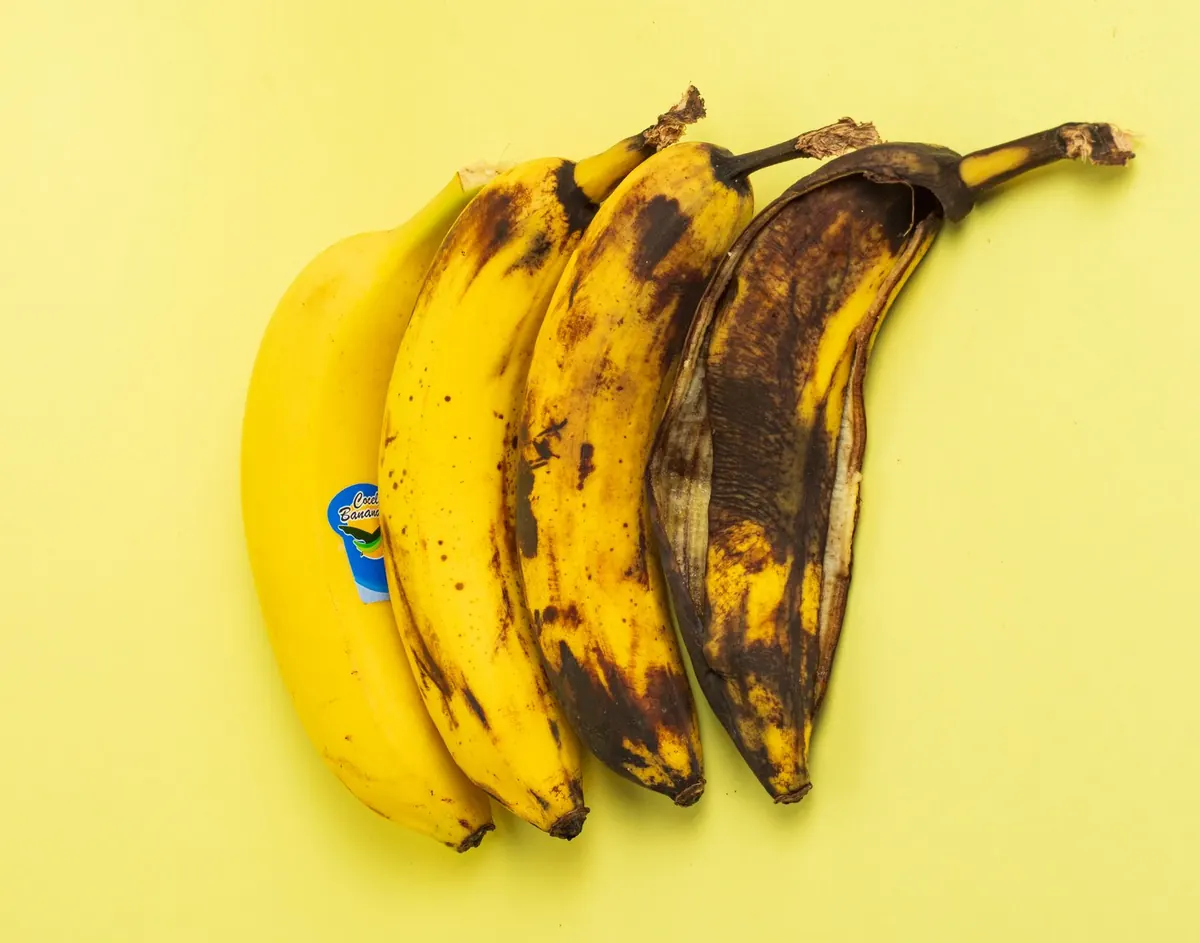
A banana does most of the work here. A speckled, just-ripe one produces more ethylene than a green one, and an apple, pear, kiwi or ripe peach will also do. If you already have a soft avocado in the bowl, put the two together.
One or two partners is plenty. A whole bunch crammed into a small tub traps moisture and bruises the fruit, which is how you end up with a soft avocado and a mouldy patch on the same day.
The 24-hour method, step by step
- Check what you're starting with. Flick the small stem cap at the top. If it pops off easily and the flesh underneath is green, the avocado is close. If it resists, you're starting from scratch.
- Wipe the fruit dry and leave it whole, stone in.
- Put it in your container with one ripe banana.
- Cover loosely and place it somewhere warm — a worktop away from direct sun, the top of the fridge, or a shelf near (not on) a warm appliance.
- Wait twelve hours, then test gently. More on that below.
- If it's ready, move it to the fridge, where it will hold for two or three days. If it isn't, swap in a fresh banana and give it another six to twelve hours.
Testing ripeness without bruising the fruit
The stem test
The little cap at the top of a Hass is the most reliable window into what's happening inside. Flick it with a fingernail. If it falls away easily and reveals green flesh, you're nearly there. Brown underneath means you've gone past it.
The palm test
Cradle the avocado in your palm and press gently with the flat of your thumb near the top, where the fruit narrows. A ripe avocado gives slightly, the way a ripe banana does. Firm means wait. Soft, with a dent that stays, means eat it now. Never squeeze with your fingertips — that bruises the flesh under the skin, and the bruise shows up as a grey-black patch an hour later.
Skin colour is only a rough guide. Hass darkens as it ripens, but Fuerte, Shepard and Reed stay green even when perfectly ready.
When you need it sooner, and the mistakes that slow you down
If twelve hours is too long, move the container to the warmest spot in the house and add a second ripe banana. Two hours on a sunny windowsill helps, but bring it back into the shade after that; fruit that heats up too much ripens unevenly. The top of the fridge works well because it stays a few degrees warmer than the rest of the kitchen.
The common mistakes are always the same. Chilling an avocado too early stops ripening almost completely, and it never really restarts. Leaving it loose in a fruit bowl lets the ethylene drift away. Cutting it open to check. Crowding it with too much other fruit. And once it is cut, press cling film right onto the exposed flesh, add a squeeze of lemon or lime, and refrigerate — leaving the stone in the bowl does very little.
A practical plan for the next 24 hours
Tonight, put your hard avocados in a lidded bowl with one speckled banana and leave them on the worktop. Check them in the morning; if they give slightly at the top, they're ready for breakfast or the fridge. If they're still firm, replace the banana and check again before dinner.
Buy them a couple of days before you want them, and keep two in the fridge and two on the counter so there is always one at the right stage. One last thing: if the flesh smells sour, looks stringy and brown, or the skin has mould on it, throw it out. No amount of ripening advice will bring that one back.
Photo: Ivan S / Pexels