A banana can ripen the pear next to it. Not by touch, not by weight, but by breathing. Fruit gives off a gas called ethylene, and that gas is the signal that tells a neighbour to get on with ripening. Once you understand it, the fruit bowl stops being a lottery. You can speed a hard avocado up, slow a softening peach down, and stop your salad going yellow in the fridge. Here's how ethylene works, and how to work with it in an ordinary UK kitchen.
Ethylene, explained simply
Ethylene is a gas — a very small molecule — and it also happens to be a plant hormone. Plants make it themselves, in tiny amounts, as part of ordinary life: it triggers ripening, leaf drop and the repair of damage. Because it's a gas, it doesn't stay put. It drifts out of the fruit, into the air, and onto whatever is close by.
Ripening itself is a chain of changes happening inside the fruit. Starch breaks down into sugar, acids fade, the pectin in cell walls softens, and the skin shifts colour. Ethylene switches that chain on. And here's the part that matters in your kitchen: a ripening fruit makes more of it, which pushes the chain along even harder.
Ripening is a loop. The gas triggers the change, and the change produces more gas.
That loop is why a bowl can go from perfect to past-it in a single day.
Which fruits produce it — and which don't
Fruit splits into two camps. Climacteric fruit carry on ripening after picking. They make a burst of ethylene and respond to their own gas, which means you can ripen them at home, or nudge them along:
- Bananas — the loudest producer in the bowl
- Apples and pears
- Avocados, mangoes and papayas
- Peaches, nectarines, apricots and plums
- Tomatoes, including vine tomatoes
- Kiwifruit and melons such as cantaloupe
Non-climacteric fruit don't ripen any further once picked. They age, soften and eventually rot, but they won't get sweeter:
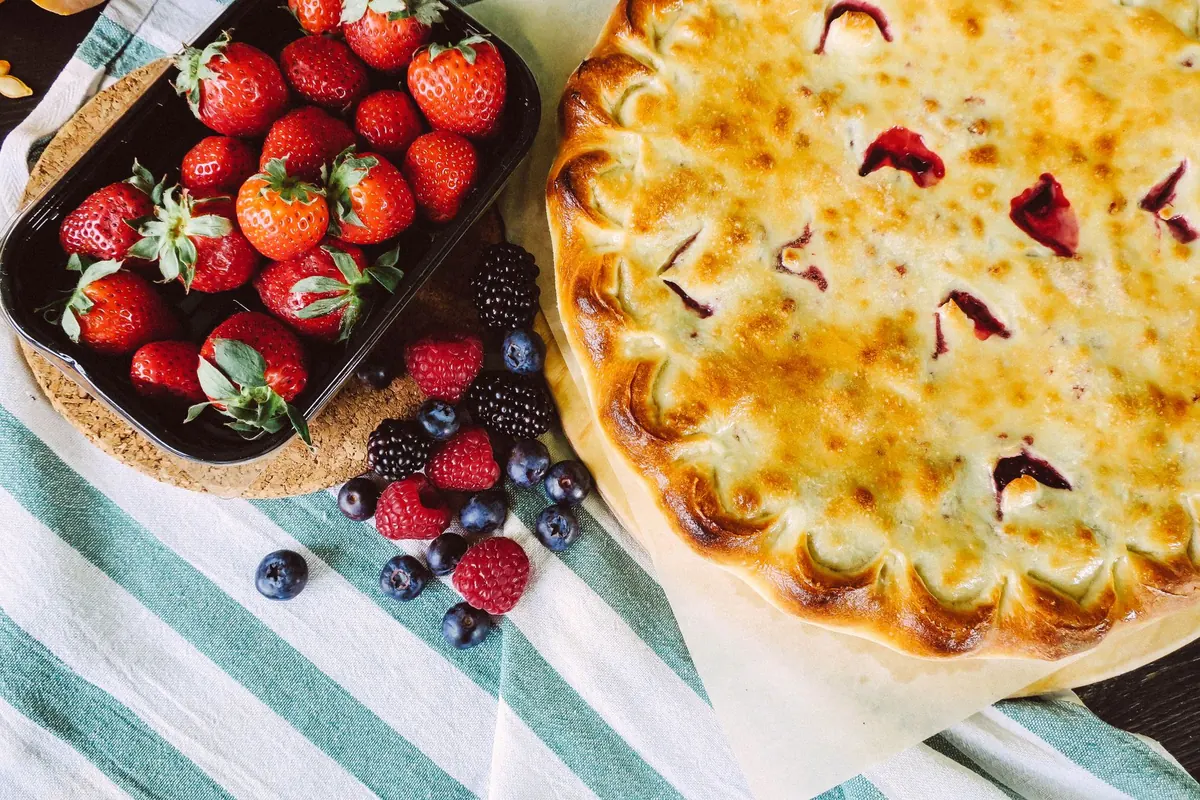
- Strawberries, raspberries, blueberries and blackberries
- Grapes
- Citrus — oranges, lemons, limes, grapefruit
- Cherries
- Pineapple and watermelon
So the old trick of parking strawberries next to a banana achieves nothing except a faster route to mould. It's also worth knowing that citrus is often degreened commercially with a controlled dose of ethylene: the skin turns orange, but the inside stays exactly as sharp as it was.
Ripening on purpose: the paper bag method
Concentration is everything. Ethylene that escapes into a whole kitchen is far too dilute to do much. Ethylene trapped around the fruit gets to work. The simplest tool is a paper bag:
- Put the hard fruit in the bag — one avocado, a couple of pears, a few kiwis.
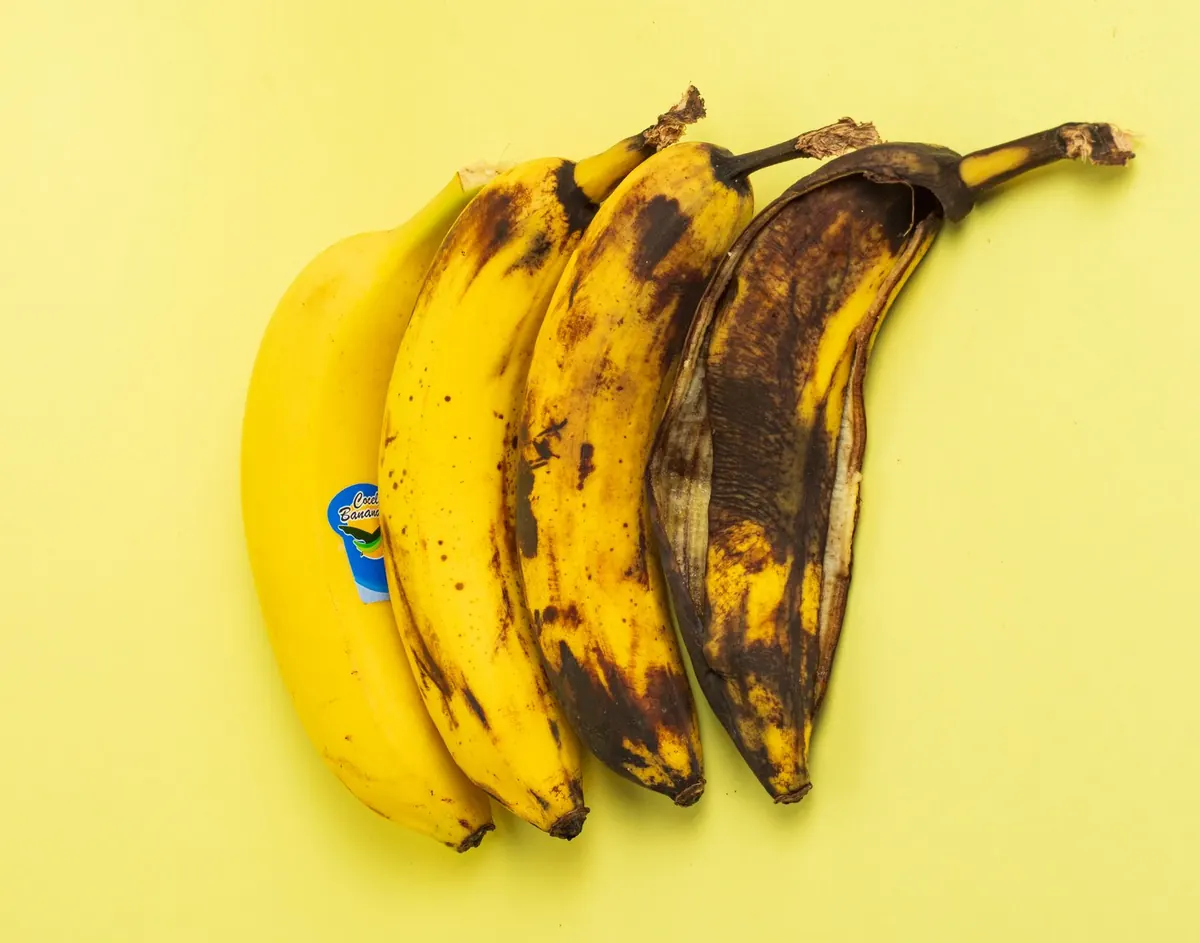
- Add one ripe banana or apple as the engine. A bruised or over-ripe one is better still.
- Fold the top over, leaving a little slack. The bag holds the gas close without sealing in moisture.
- Leave it on the worktop, away from direct sun, and check daily.
- Expect roughly one to three days for an avocado, a day or two for pears and kiwis, and up to four or five for a hard mango.
Skip the plastic bag. It traps ethylene beautifully, but it also traps condensation, which is how you end up with a furry avocado. A lidded tub or a bowl of rice does a similar job to a paper bag, though mainly because it keeps the gas close rather than because of anything special in the rice.
Slowing things down: isolating ethylene
To slow ripening, separate the producers from the sensitive and give the gas somewhere to go.
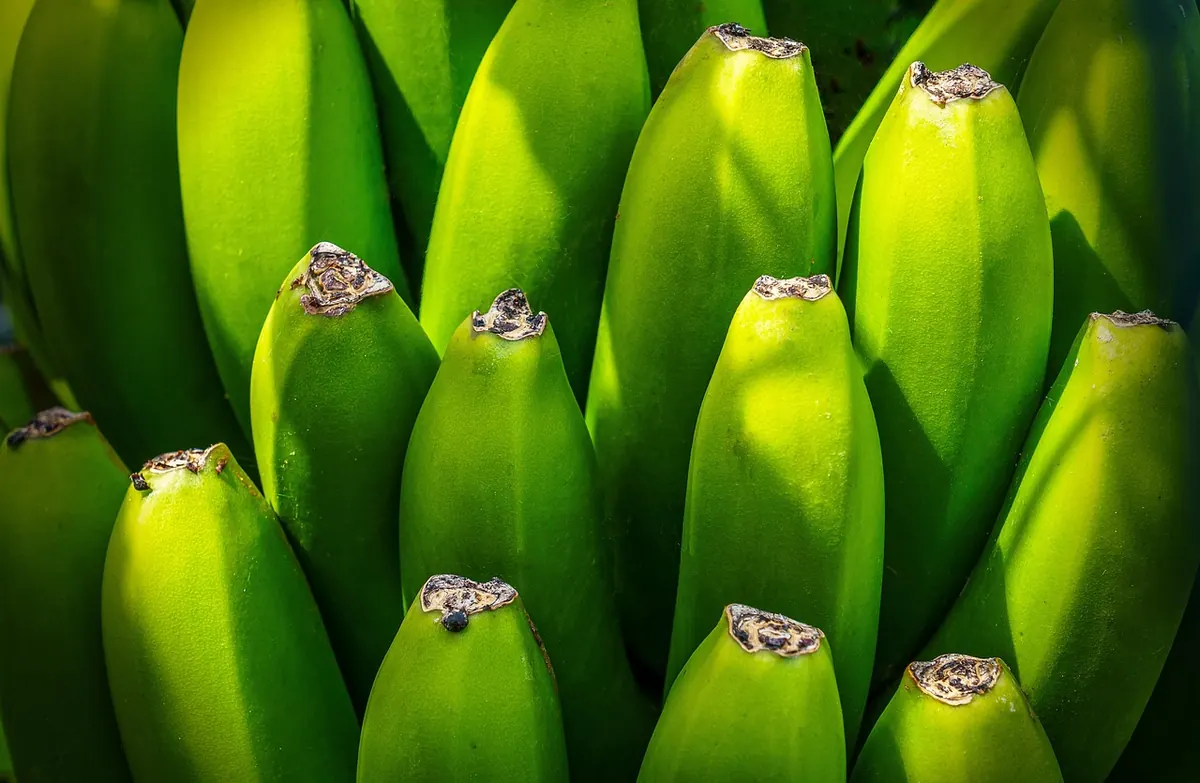
- Break up the bunch. Bananas release most of their ethylene at the crown. Split them and wrap the stems in cling film or a bit of beeswax wrap.
- Give bananas their own space. A banana in the middle of the bowl wakes everything else up. Move it to a hook or a separate dish, or chill it once it's ripe.
- Keep apples out of the fruit bowl. Store them in a bag in a fridge drawer if you want them to hold their condition.
- Ventilate. Don't seal produce into a lidded box for a week; let the gas escape.
- Buy in stages. A ripe pear and a hard pear bought on the same day will be ready on the same day.
- Use the filter if you have one. Some fridges include an ethylene filter, which earns its keep if you store a lot of apples.
The salad drawer trap
Ethylene doesn't only ripen fruit; it ages vegetables. Lettuce yellows, broccoli florets turn yellow and slack, cucumbers go soft, carrots pick up a bitter edge and asparagus toughens — all sooner next to an apple or a banana.
The salad drawer is usually the coldest, most enclosed part of the fridge, which makes it the worst possible home for a stray apple. Keep fruit out of it. If you do chill apples or pears, use a sealed box and give the greens their own clear space.
Chilling: what the fridge does to ethylene
Cold does two things at once: it slows ethylene production and it slows the fruit's response to it. Once something is ripe, the fridge is your friend, buying you days on a ripe avocado or peach.
Before that point, be careful. Cold can stall ripening in fruit like bananas and stop it for good, and bananas in particular blacken below roughly 13°C while the flesh stays firm and starchy. An avocado that goes into the fridge hard will often come out hard and stay that way. Ripen on the worktop first, then chill.
A five-minute kitchen reset
Look at your fruit bowl. Take out the ripest thing in it — that's the one pumping out gas — and either eat it, chill it, or move it away from the fruit you're trying to keep. Group the hard fruit together, add a ripe banana to the ones you actually want to ripen, and leave the rest alone.
That's the whole trick. Ethylene is just a signal, and signals are easier to handle once you know where they're coming from. Keep producers apart, bag what needs a push, and chill what's ready. Your pears will thank you.
Photo: MICHOFF / Pixabay